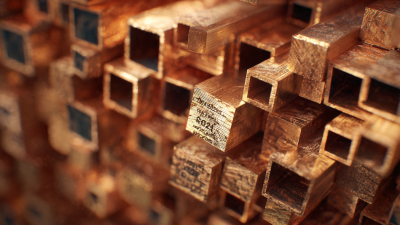
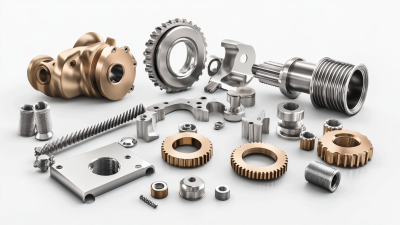
Looking ahead to 2025, it’s pretty exciting to see how the CNC machined copper extrusions industry is on the verge of big changes. There’s a real buzz around emerging trends that focus on manufacturing excellence combined with sustainability — stuff that really matters these days. Honestly, the market for CNC machined parts is expected to hit around $10 billion by then, and that’s partly thanks to innovations in automation, new materials, and more eco-friendly manufacturing methods shaking things up.

Here at Shaanxi Brilliant Machinery Co., Ltd., we understand how crucial it is to stay ahead of these shifts. Our goal? To be recognized worldwide for top-notch quality and great customer service. By constantly evolving and pushing the envelope, we aim not just to keep up but to set new standards for sustainable practices and high-quality CNC machined copper extrusions. It’s clear that technological advances and changing market needs will really shape the future of our industry, so we’re excited to be part of this journey.
The Rise of Automation in Copper Extrusion Manufacturing in 2025
Looking ahead to 2025, one of the biggest changes coming to the copper extrusion manufacturing world is the rise of automation. You know, the use of smart tech and robots is really shaking up the old-school processes. It’s making everything more efficient and cutting down costs quite a bit.
自动化系统让制造商可以更顺畅地运作,减少人为失误,还能更快地生产出高品质的产品。 这种转变不仅让资源利用更有效率,还让公司能更灵活地应对市场的变化,真的是一大进步。
Sustainable Practices: Meeting Global Standards in CNC Machining
These days, when you look at CNC machining, it’s pretty clear that sustainability has become a big deal. Companies aren’t just jumping on the eco-friendly bandwagon for compliance—they’re realizing that going green can actually boost efficiency and save money in the long run. It’s no surprise, then, that the metal processing machine industry is expected to grow quite a bit, from around $94.5 billion in 2023 to over $120 billion by 2032. That’s a clear sign that more and more manufacturing folks are looking to adopt eco-conscious solutions.
Some of the most innovative companies are really stepping up, trying out things like new cutting fluids that help tools last longer and make machining more efficient. This shift also fits nicely with the move toward circular economies—where making the most of resources is the goal. Recent trends show organizations are starting to focus on sustainable harvesting and processing methods, which help cut down waste while still getting the job done efficiently. And with countries like India ramping up their manufacturing, it looks like the push toward sustainable CNC practices will only pick up steam. By 2025, and hopefully beyond, we’ll see standards rising worldwide, sparking fresh innovations along the way.
Innovative Technologies Transforming the Cnc Machining Landscape
By 2025, it looks like some pretty exciting tech is going to shake up the CNC machining world, especially when it comes to making copper extrusions. One of the biggest trends? The way AI and machine learning are slipping into CNC systems. This means smarter machines that can analyze data on the fly and even predict things like when maintenance might be needed. It’s like giving manufacturers a crystal ball—helping them optimize their processes, cut down on waste, and catch equipment issues before they turn into big problems. All of this leads to more reliable operations and lower costs, which ultimately means better quality products for the folks buying them.
Then there’s the push toward using new materials and coatings that really boost machining performance. These upgrades not only make copper machining smoother but also let CNC machines handle more complex shapes and tighter tolerances. Plus, the combo of additive manufacturing with traditional CNC work is opening up some seriously cool design possibilities. This hybrid approach now makes it possible to create detailed, intricate geometries that used to be a real challenge. It’s like we’re entering a whole new world of creativity in the copper extrusion industry. As these innovations start to come together, the potential for groundbreaking applications is huge—pushing the limits of what manufacturing can do and totally changing how products are developed.
Emerging Trends in 2025 Shaping the Future of Best CNC Machined Copper Extrusions Industry
| Trend | Description | Impact | Year of Adoption |
| Automation Integration | Increased use of automated systems in CNC machining processes. | Higher production efficiency and consistency. | 2025 |
| AI and Machine Learning | Utilization of AI to optimize machining parameters and predict maintenance. | Reduced downtime and optimized resource allocation. | 2025 |
| Sustainability Practices | Focus on environmentally friendly materials and processes. | Improved compliance with environmental regulations. | 2025 |
| Advanced Materials | Development of new copper alloys and composites for CNC machining. | Enhanced mechanical properties and thermal conductivity. | 2025 |
| Smart Manufacturing | Integration of IoT devices to monitor and control machining processes in real-time. | Increased flexibility and responsiveness to market changes. | 2025 |
Global Market Trends: The Demand for High-Precision Copper Extrusions
Looking ahead to 2025, it’s pretty clear that the demand for high-precision CNC machined copper extrusions is going to pick up a lot. According to a recent forecast from the International Copper Association India, we’re probably looking at a solid growth rate of around 10 to 13% in copper demand in the second half of FY25. A lot of this has to do with the increasing use of copper in various sectors, especially in electric vehicles (EVs). This surge means producers will need to ramp up their manufacturing and refine their extrusion processes to keep up with the tech industry’s evolving needs.
One of the biggest drivers here is the electric vehicle market. As EV adoption still accelerates around the globe, the need for copper parts like busbars—which are super important for efficient energy distribution—is growing fast. So, if you're in the copper extrusion biz, it’s definitely time to get innovative and boost efficiency to handle all that extra demand. Plus, ongoing investments in green energy and new advances in copper processing tech are shaping this whole landscape. It’s an exciting time, but also one that demands industry players to stay ahead of the curve to navigate the challenges ahead smoothly.
Competitive Analysis of Leading Manufacturers in the Industry
The world of CNC machined copper extrusions is changing pretty fast these days. Thanks to tech upgrades and a growing demand across lots of industries, things are really heating up. For example, the global automotive PCB market is expected to jump from around $9.15 billion in 2023 to a hefty $15.1 billion by 2032. That’s a huge push for top-notch copper extrusions — they’re gonna play a big role in keeping up with this kind of growth. Major players in the field are now really focusing on improving how they operate and trying out new, innovative methods to grab a bigger slice of the pie.
As automation and IoT tech become more and more part of manufacturing, companies in the CNC space are starting to see the real value of adding smart technology into their production lines. It’s not just about ramping up productivity — it’s also about doing things more sustainably. Companies like Shaanxi Brilliant Machinery Co., Ltd. are leading the charge here, by sticking to high standards of quality while also being mindful of the environment. They’re actually setting some pretty high benchmarks, and honestly, it seems like innovation and flexibility will be the keys for companies wanting to stay ahead in this game over the next few years.
Emerging Trends in 2025 Shaping the Future of Best CNC Machined Copper Extrusions Industry
Future-Proofing: Strategies for Success in Copper Extrusion Exports
As we look ahead to 2025, the copper extrusion industry is set to keep evolving, and companies really need to get ahead of the game with some smart strategies if they want to stay competitive globally. Lately, industry reports have been pointing out that the demand for CNC-machined copper extrusions is expected to pick up by over 6% each year. This growth is mainly fueled by hot sectors like electronics and automotive manufacturing. To really ride this wave, manufacturers should think about boosting their production efficiency and diversifying their product lines—basically, staying flexible so they can meet what clients are really looking for, no matter where they are in the world.

A good tip here: consider investing in cutting-edge CNC machining tech. It can help you get better precision, cut down production times, and overall improve your product quality. That, in turn, makes your customers happier and sets you apart from the competition. Plus, leveraging real-time data analytics can be a game-changer—it can help you spot trends early and fine-tune your supply chain, making your decision-making sharper than ever.
And don’t forget the power of strategic partnerships. Building solid relationships with suppliers and tapping into emerging markets can really open up export opportunities. For example, the Asia-Pacific region is expected to be a big growth area, mainly because infrastructure projects are booming there, increasing the demand for top-notch copper extrusions.
Another thing to keep in mind: focus on building strong, long-term relationships with your key clients, especially in those targeted regions. Really understanding their needs and preferences can help you tailor your offerings and boost customer loyalty. That kind of client-centric approach might just be the edge you need to flourish in this super competitive global marketplace.
Exploring the Key Benefits of CNC Milling Parts in Enhancing Industrial Machinery Efficiency
CNC milling parts have emerged as vital elements in enhancing the efficiency of industrial machinery across various sectors. These components, produced with the precision afforded by Computer Numerical Control (CNC) technology, offer unparalleled accuracy that traditional manufacturing methods cannot match. According to a report by Grand View Research, the global CNC machine market is projected to reach $117 billion by 2028, underscoring the increasing reliance on CNC milling for producing high-tolerance parts that support complex operations in manufacturing.
The benefits of CNC milling extend beyond just precision. These machined parts contribute significantly to machinery durability and operational efficiency. A recent study highlighted in the Journal of Manufacturing Processes pointed out that CNC milled components can reduce production time by up to 30% while maintaining stringent quality standards. This increased efficiency not only leads to lower operational costs but also enhances the performance of industrial machinery, making it a smart investment for companies looking to streamline their operations.
Moreover, the versatility of CNC milling enables manufacturers to create intricate designs that are tailored to specific needs. Whether in automotive, aerospace, or heavy machinery sectors, the adaptability of CNC milled parts provides manufacturers with the flexibility required to innovate and push the boundaries of machinery design. As industries continue to evolve, the importance of CNC milling parts in driving efficiency and maintaining competitive advantage cannot be overstated.
FAQS
: The main trend is the rise of automation, which involves adopting smart technologies and robotics to enhance efficiency and reduce production costs.
Automation streamlines operations, minimizes human errors, and allows for the production of high-quality products at a faster pace, optimizing resource usage and improving responsiveness to market demands.
They enable manufacturers to monitor production lines in real-time, predict maintenance needs, and customize products to meet specific customer requirements, enhancing decision-making processes.
Advancements include the integration of artificial intelligence and machine learning for real-time data analysis and predictive maintenance, as well as the adoption of advanced materials and coatings to improve machining performance.
Manufacturers should enhance production efficiency, diversify product offerings, invest in CNC machining technologies, and leverage real-time data analytics to meet evolving client needs.
Strategic partnerships can bolster export opportunities, especially in emerging markets like the Asia-Pacific region, where demand is increasing due to infrastructure projects.
It allows the creation of intricate geometries and expands the design flexibility in copper extrusions, pushing the boundaries of what can be achieved in manufacturing.
Automation can lead to significant enhancements in productivity and quality, which contribute to improved sustainability by optimizing resource management and reducing waste.
It helps in forecasting trends and optimizing supply chain operations, leading to better decision-making and increased competitiveness in the market.
Focusing on building long-term relationships with key clients and tailoring offerings based on their needs can improve customer loyalty and boost exports.